By Sumeth Prasertsud (Bienh, Zoih Daqv)
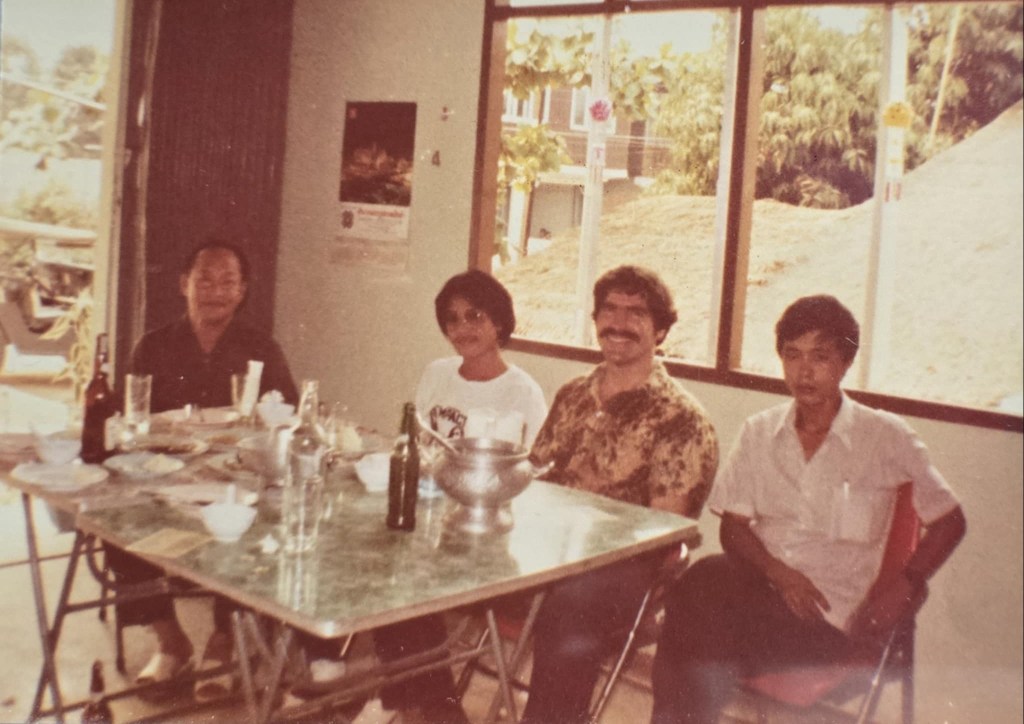
The Iu Mien language newspaper (หนังสือพิมพ์ภาษาอิ้วเมี่ยน), entitled “Iu-Mienh Unity,” was created in 2005 and stemmed from several reasons.
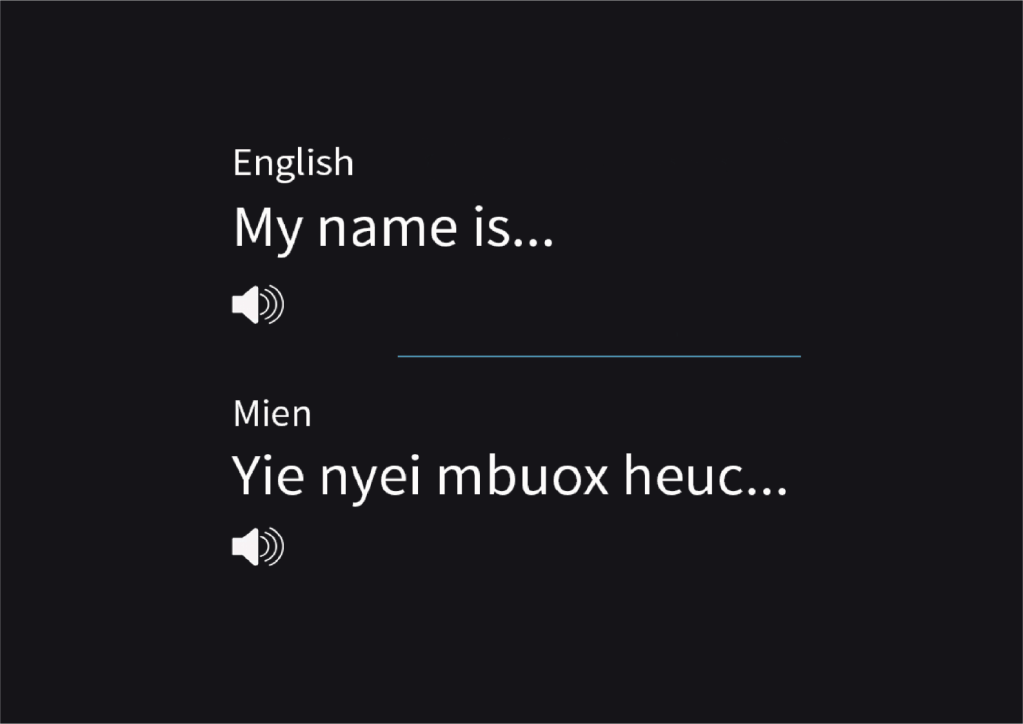
First of all, the Iu Mien language newspaper was part of my list of creating or producing as many written materials in the Iu Mien language. I wanted to be able to use them to support my mission to advocate and promote the Iu Mien Native Language Literacy program all around the world.
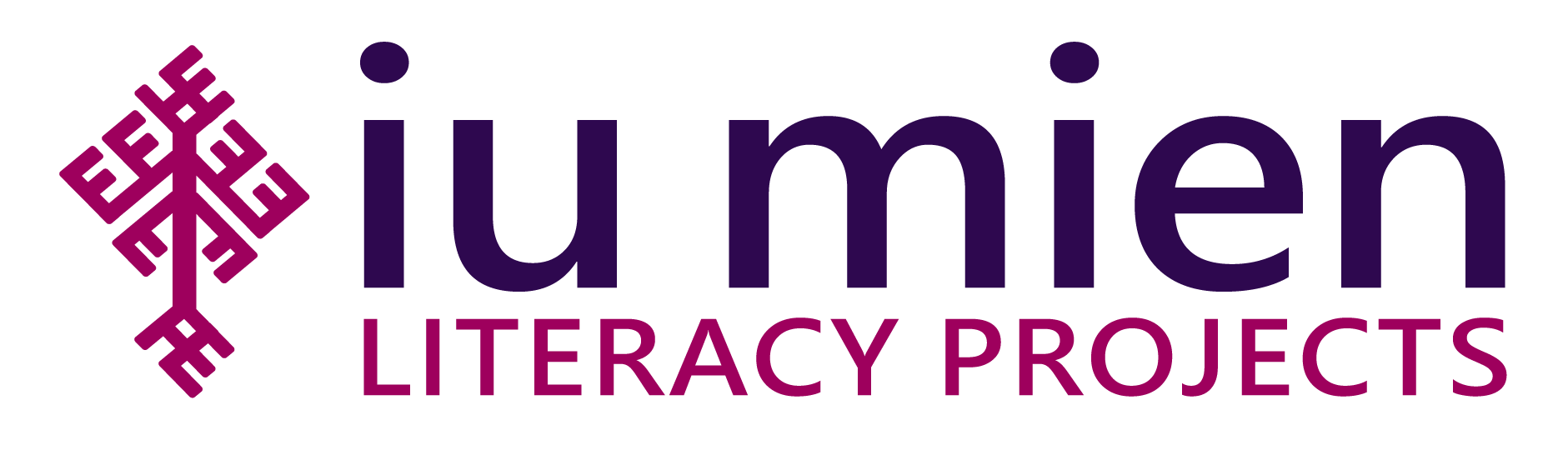
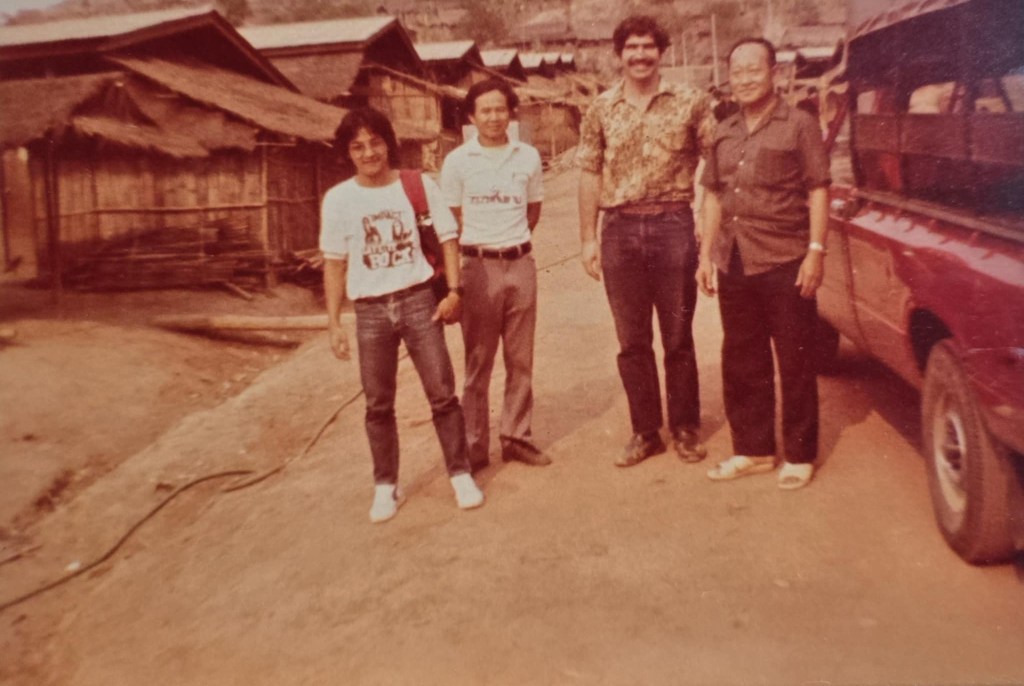
In 1984 when I was working at Phanat Nikhom refugee camp in Cholburi, Thailand as an Iu Mien language teacher trainer and supervisor, I was sent to Namyao refugee camp in Nan province to train some of the Iu Mien teachers and helped them to set up an Iu Mien Native Language Literacy school in the camp. I was introduced to our Iu Mien leader Mr. Chao La by my coordinator François. We toured the camp, met with our Iu Mien people, and had the opportunity to take him to Nan province to have lunch with us.
In 2005, 15 years later, we heard that Mr. Chao La had passed away in France. I was saddened by the news of his passing and I took advantage of the opportunity to create the Iu Mien Language Newspaper, the “Iu-Mienh Unity,” to honor him and to announce to the Iu Mien communities around the world that another chapter of Iu Mien legacy and a long migration era had ended. Also, at that period of time, the Iu Mien had very limited information and communication with one another, and had no other social media to get the information about what had happened in Iu Mien communities like the mainstream society, in which the newspaper was one of the most important and powerful media for people to get news and information and get to know what was going on in the communities and around the world.
Nevertheless, on the one hand, the Iu Mien language newspaper should be one of the important tools to promote the Iu Mien Written Language at the same time.
My support for Iu Mien Native Language Literacy Advocacy and Preservation has always been grounded my belief that we need to do whatever it takes to preserve our language.
Whenever one of our people, especially an elder, dies, I feel a whole library has disappeared. The Iu Mien are in a period of a turning point in terms of LANGUAGE and CULTURAL PRESERVATION. It is obvious that the usage of our language is declining every day. This phenomenon happens in almost every Iu Mien community around the world due to many factors. As the older ones pass on and struggle to survive, the younger ones face a crossroad of trying hard to make it in mainstream society and struggling to keep up with his or her own language, culture, and identity. If our generation does not try to preserve our language within three to five decades, it will be very hard to find someone who can communicate in our language. If we keep telling ourselves, “let’s wait until we are more prepared,” we may never have the opportunity to start. The right time to start is NOW. This country has the most talented and educated young Iu Mien we have ever had in our history and anywhere in the world. Because we are Iu Mien and have the best chance to do something for our people, we should consider the importance of our NATIVE LANGUAGE and ask ourselves, “What do we lose when we lose our language?”
As we all know, this is not an easy task and will be quite impossible for one person to get the message across to our people. Therefore, with your leadership, understanding, talent, and perseverance, hopefully this message will be heard. “There is nothing to lose by doing it, but if we don’t do anything soon, we will have nothing left to lose.” When someone is intelligent enough to think about it and wants to do something again, it will be too late. To some extent, we know that prevention is easier than restoration. For example, we could learn from a similar issue in United States history about how many Native American tribes were assimilated into stronger tribes, causing the original tribes to vanish. We may have more opportunities than those Native American tribes, but how long will our Iu Mien language and culture survive?
The last of the Iu Mien tribe in this part of the world is dwindling.
Remember, when an Iu Mien child is born, and if we cannot raise that child to speak his/her own language, we are not only losing our language—we are losing a person to another culture. It is in our hands to decide which path to take: PRESERVATION and INTEGRATION or ASSIMILATION.
Furthermore, have you ever wondered and thought about the language that you speak at home every day? About how it became a language? What the alphabet charts looked like? We are now living in one of the most civilized and modernized countries in the world, the United States of America, yet why do we still hesitate to learn our own language? Why do we allow ourselves to be illiterate? Why should we let our history repeat itself again and again? Isn’t it time for us to change our direction? Isn’t it time for us to change the history record that the Iu Mien has no written language? Isn’t it time for the Iu Mien to have a written language? Shouldn’t every nationality or tribe of people know how to read and write their own mother tongue in a country of freedom and opportunity?
Change is good in many aspects, especially for the younger generation; for example, everyone has the same opportunity to compete and improve the standard of living like the next person. On the other hand, we face an obstacle: trying to make it like everyone in mainstream society while struggling to keep up with our own language, cultural heritage, and identity.
We can see in our very own family, and particularly the younger ones: the majority of them can no longer speak a simple Iu Mien sentence without using English, French, Lao, Thai, Vietnamese, or Chinese.
Have you ever imagined yourself reading your native bedtime story in your native language to your children or grandchildren? Have you ever imagined and thought about a day in your life when you will see and be able to read magazines, books, newspapers, and stories that are written in your native language? Iu Mien is a small community compared to some other groups of people in this country. Almost everywhere we go and everything we do is surrounded by the stronger and dominating influences of language, culture, and economics. We will be easily integrated and assimilated into mainstream society in the near future if our generation or the next does not identify and try to preserve and pass on our language and cultural heritage to the younger generation.
Our language is a key element of our identity and culture. It will unify and represent us as a whole Iu Mien society more than anything else.
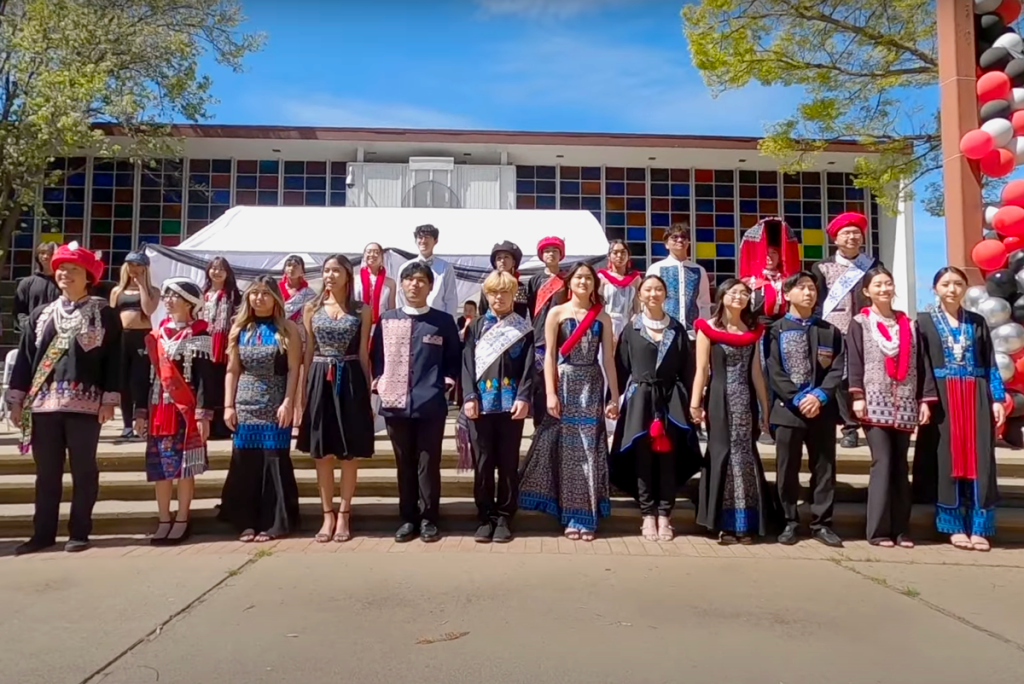

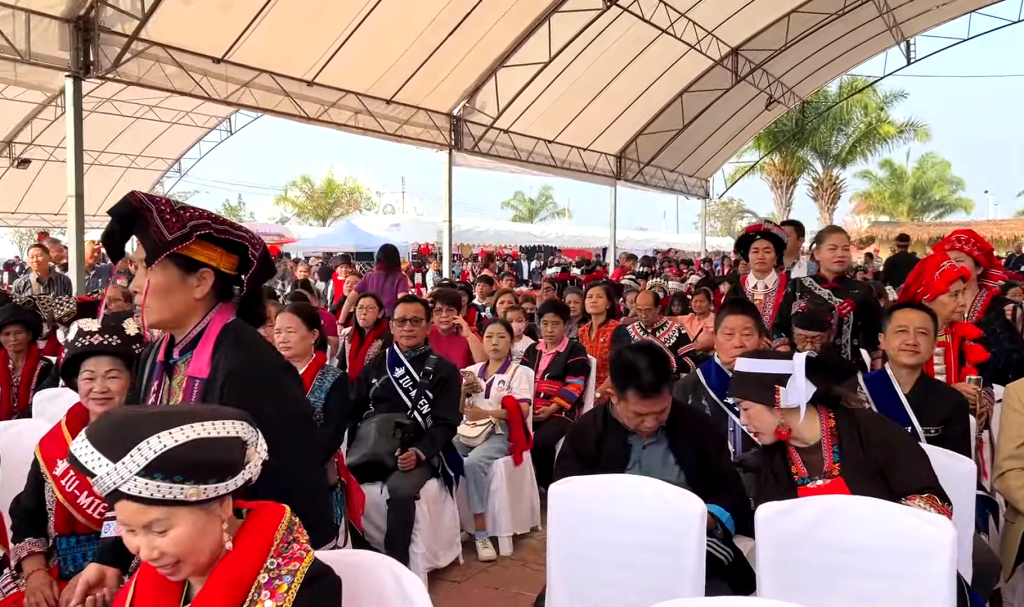
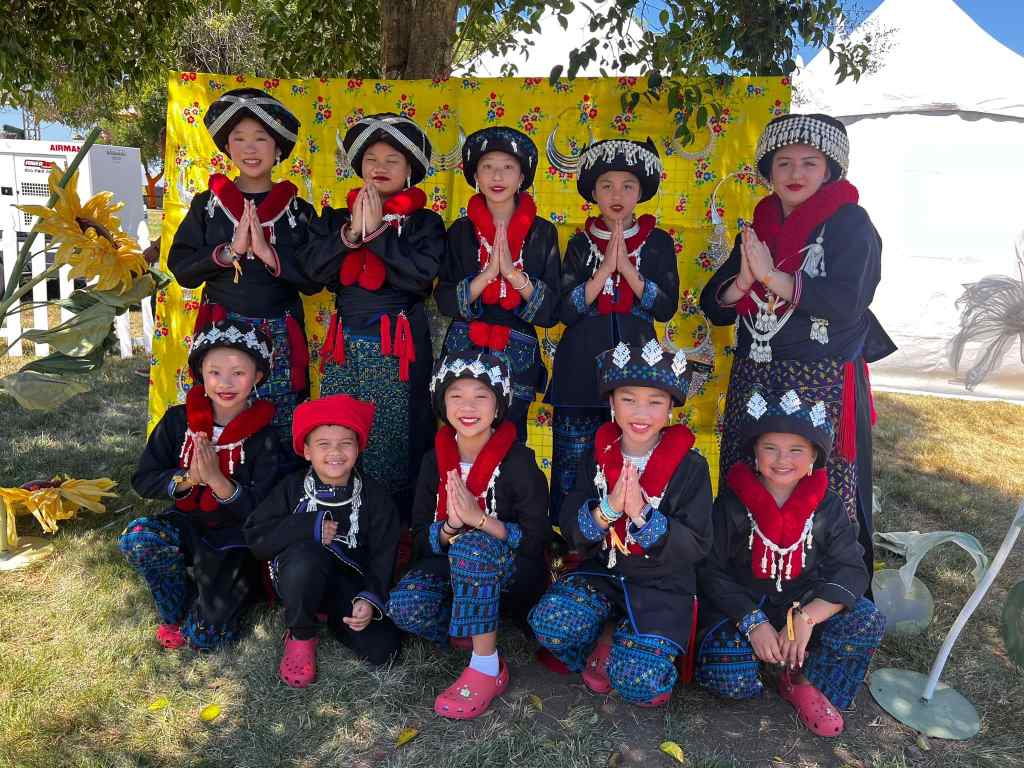
 Iu Mien Literacy Projects
Leave a comment